
Why Choosing the Right Foundation Repair Contractor Matters More Than the Repair Itself
Updated: Jan 16
If you’re researching foundation repair in Tulsa, chances are you’ve already spoken to more than one company — and received more than one explanation of what’s wrong with your home. One contractor says you need piers immediately. Another recommends drainage. A third tells you the cracks are cosmetic.
For many homeowners, this is where confusion and frustration begin.
Foundation and structural repair is not a simple trade. It involves soil behavior, load transfer, building design, and long-term performance. The difference between a repair that lasts and one that fails years later often has less to do with the product used and more to do with whether the contractor truly understands the structural problem being solved.
This article is intended to help Tulsa-area homeowners understand why choosing the right foundation repair contractor is so important — and what should be evaluated before any repair is recommended.
Foundation Repair Is Not a One-Size-Fits-All Service
One of the biggest misconceptions homeowners encounter early in their research is the idea that foundation repair is standardized. In reality, no two homes — even in the same neighborhood — experience foundation issues for the exact same reason.
In Tulsa and surrounding metro areas, factors that influence foundation behavior include:
Expansive clay soils
Drainage patterns and grading
Foundation type (slab, crawl space, pier and beam)
Age of the home
Previous repairs or modifications
Seasonal moisture changes
A repair method that works well for one home may be unnecessary — or ineffective — for another. This is why generalized recommendations or “package solutions” should raise questions.
A qualified foundation repair contractor evaluates why movement occurred, not just where damage is visible.
The Difference Between Cosmetic Repair and Structural Repair
One of the most common sources of conflicting advice comes from confusion between cosmetic symptoms and structural problems.
Cosmetic issues may include:
Minor drywall cracks
Hairline concrete cracks
Trim separation
Small gaps that remain stable over time
Structural issues often include:
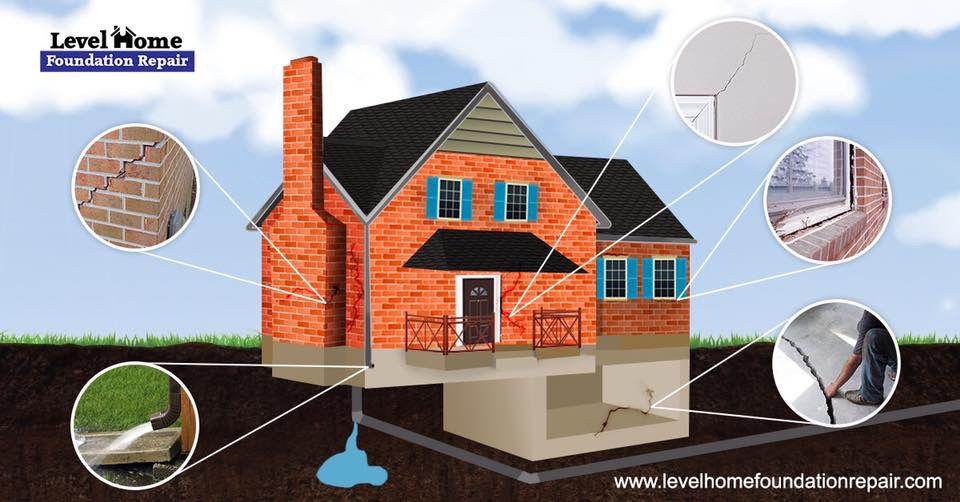
Stair-step cracks in brick or block
Diagonal wall cracks near doors and windows
Sloping or uneven floors
Doors and windows that go out of alignment
Cracks that continue to widen or reappear
Cosmetic repairs address appearance. Structural repairs address load transfer and soil interaction.
A foundation repair contractor should clearly explain:
Whether movement is active or historic
What structural elements are affected
What happens if the issue is left unaddressed
What outcomes are realistic after repair
If the explanation focuses only on sealing cracks or leveling surfaces without addressing underlying support, the repair may not hold long-term.
Why Soil Behavior Matters as Much as the Foundation
In Tulsa, foundation problems are rarely caused by the concrete alone. The real driver is often the soil beneath the structure.
Expansive clay soils expand when wet and shrink during dry periods. Over time, this movement can:
Create voids beneath foundations or crawl space supports
Reduce bearing capacity
Cause uneven settlement
Apply lateral pressure to foundation walls
Structural repair must account for how the soil will behave in the future, not just how it looks today.
This is why effective foundation repair often involves:
Transferring loads to deeper, more stable soil
Stabilizing weak or eroded soil
Managing moisture around and beneath the structure
Designing repairs that accommodate seasonal changes
A contractor who focuses only on surface symptoms may overlook the soil conditions that caused the issue in the first place.
What a Qualified Foundation Repair Contractor Should Evaluate First
Before recommending any repair, a foundation repair contractor should perform a systematic evaluation. This process-based approach is what separates long-term structural solutions from short-term fixes.
A thorough evaluation typically includes:
Exterior foundation inspection
Interior wall and floor assessment
Crawl space or slab evaluation
Identification of drainage and moisture issues
Review of crack patterns and displacement
Understanding how loads are being carried
Just as importantly, the contractor should be able to explain their findings in plain language, without pressure or vague claims.
If multiple contractors provide different recommendations, ask each one:
What is the root cause of the movement?
What happens if no repair is done?
Why is this solution appropriate for this specific home?
What outcomes should I realistically expect?
Clear answers are a sign of real understanding.
Why Some Foundation Repairs Fail Years Later
One of the most common homeowner concerns — and a frequent search topic — is why foundation repairs sometimes fail long after installation.
Common reasons include:
Repairs that didn’t address soil movement
Inadequate load transfer
Over-correction or uneven lifting
Ignoring moisture and drainage conditions
Using solutions not suited for the structure type
Structural repair should be designed for performance over decades, not just immediate results.
A knowledgeable contractor considers not only how to stop movement, but how to prevent it from returning as soil conditions change over time.
What Homeowners Should Expect During and After Structural Repair
Another common concern homeowners search for is what the repair process actually looks like — and what happens afterward.
During repair, homeowners can expect:
Temporary noise or vibration
Minor interior or exterior disruption
Controlled, gradual adjustments
Clear communication about progress
After repair, realistic expectations include:
Structural movement stabilized
Floors improved but not always perfectly level
Existing cracks may not fully close
No further progression of damage
Long-term monitoring may be recommended
A responsible foundation repair contractor sets expectations honestly and explains what is — and is not — part of structural correction.
Why Getting Multiple Answers Can Be Confusing (and How to Navigate It)
Many Tulsa homeowners receive multiple opinions that seem to contradict each other. This doesn’t always mean one contractor is wrong — it often means they are viewing the problem through different lenses.
The key is understanding how conclusions were reached.
Look for a contractor who:
Explains the process, not just the product
Focuses on cause, not symptoms
Acknowledges alternative solutions when appropriate
Doesn’t rush the decision
Prioritizes long-term performance over quick fixes
Structural repair is a significant investment. Taking the time to understand the reasoning behind a recommendation is one of the best ways to protect that investment.
Structural Repair Is About Understanding Outcomes, Not Just Fixes
At its core, foundation repair is about outcomes:
Will movement stop?
Will the structure remain supported?
Will future soil changes be accounted for?
Will the repair last?
The answers to these questions depend far more on knowledge, evaluation, and design than on any single repair method.
For homeowners in Tulsa and the surrounding metro area, choosing a foundation repair contractor who understands the full scope of structural behavior is just as important as the repair itself.
Final Thoughts for Tulsa Homeowners
If you’re early in your foundation repair research, feeling uncertain is normal. Conflicting advice, unfamiliar terminology, and visible damage can make the process overwhelming.
The most important step is not choosing a repair right away — it’s choosing a contractor who understands structural repair as a system, not a transaction.
When evaluation, soil behavior, structural design, and long-term outcomes are considered together, foundation repair becomes a process you can trust — not a gamble.
Level Home Foundation Repair would like the opportunity to earn your business. If your looking for an honest, affordable company that has the experience to ensure you get a proper reapir; our team is here to serve. No sales, gimmicks, or tricks; just repairs that your family can count on for the years to come.


Comments